Adam’s music tells stories without explaining them. He understands narrative. Filmmakers tend to notice.
He is in the rooms where the buttons light up.
London. New York. Paris. Los Angeles. The big ones. The small ones. The famous ones. The ones with carpets that have heard too much.
It is suspected — by Adam, and possibly others — that more than half of a brightly coloured life has taken place inside recording studios and control rooms. Another quarter disappeared in restaurants. The remainder is unaccounted for, but may resemble home.
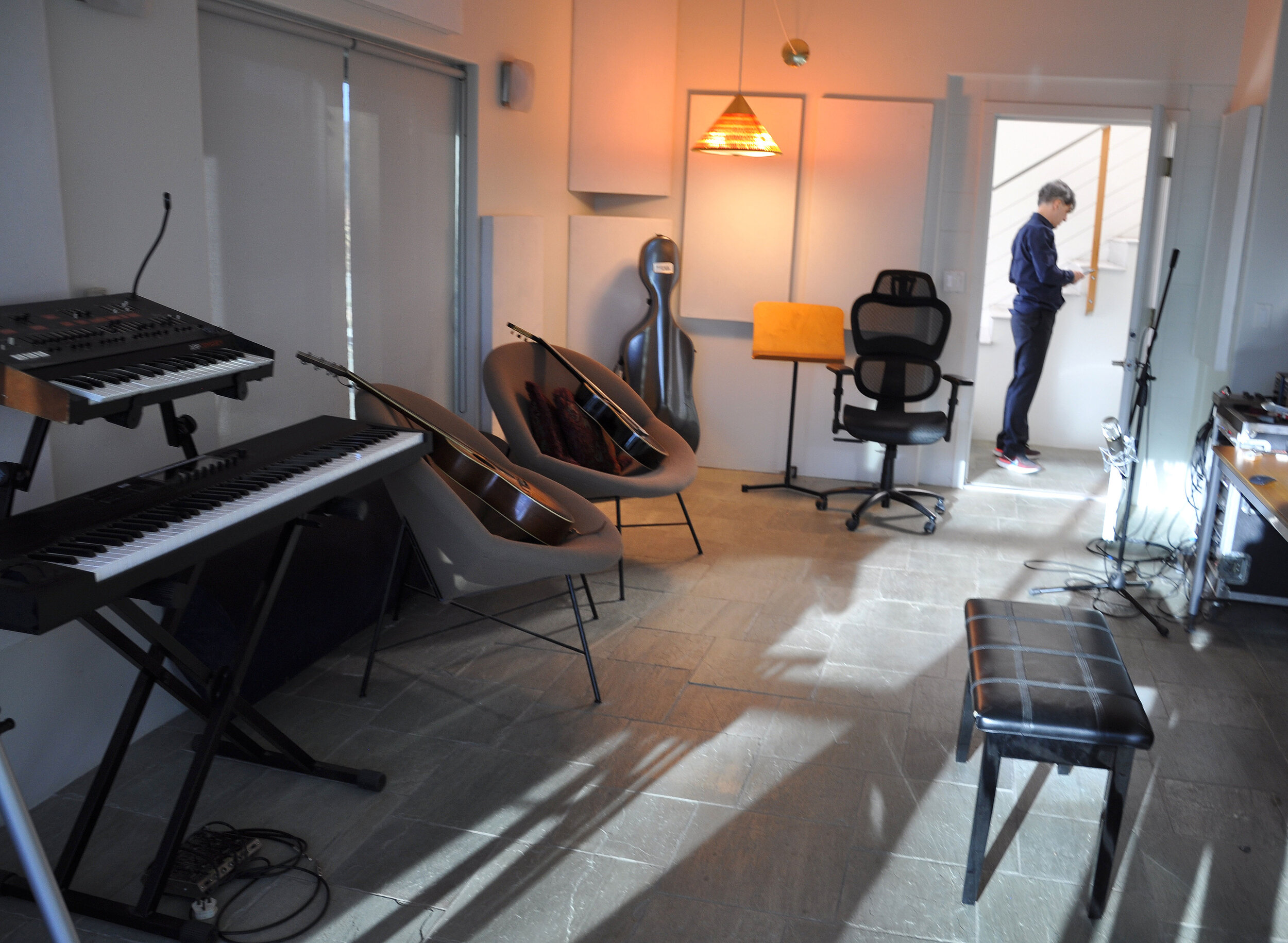
These days the work happens in the Santa Monica Mountains. A private outpost. Scores ardse plotted there. Conceived. Assembled. Sometimes quietly. Sometimes not. When necessary, orchestras are deployed elsewhere: Air, Abbey Road, Sunset Sound, Warner’s LA. The usual landmarks.
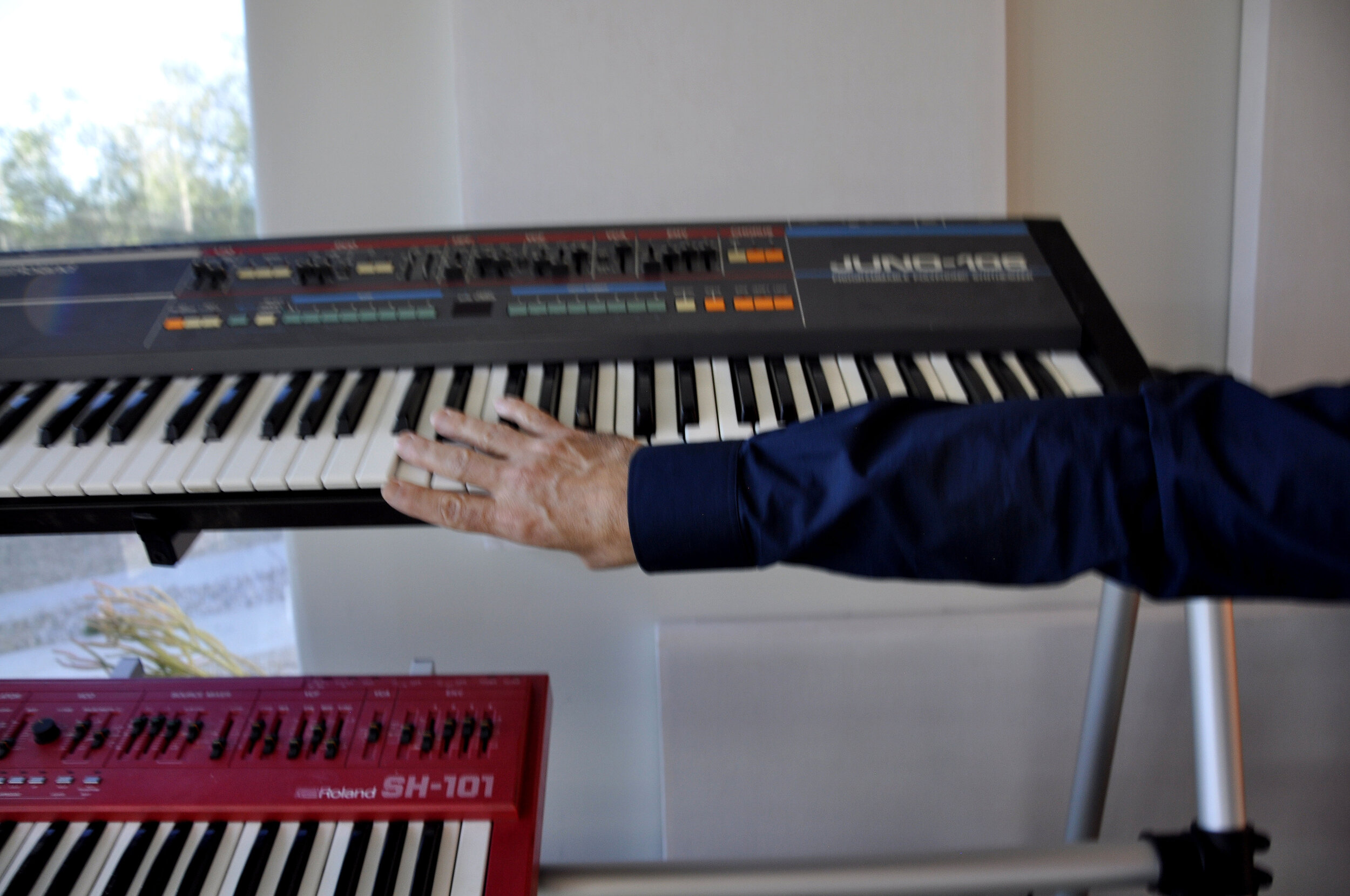
The process begins with disappearance. Doors close. Experiments begin. Cello. Synths. Things made of wood, wire, breath and electricity. Organic sounds are bent until they behave electronically, but never quite forget where they came from. The result feels human, even when it shouldn’t. Scores grow over time, session by session, until they decide they are finished. If a film demands an orchestra, Adam’s classical training steps in and provides a map when the terrain gets complex.
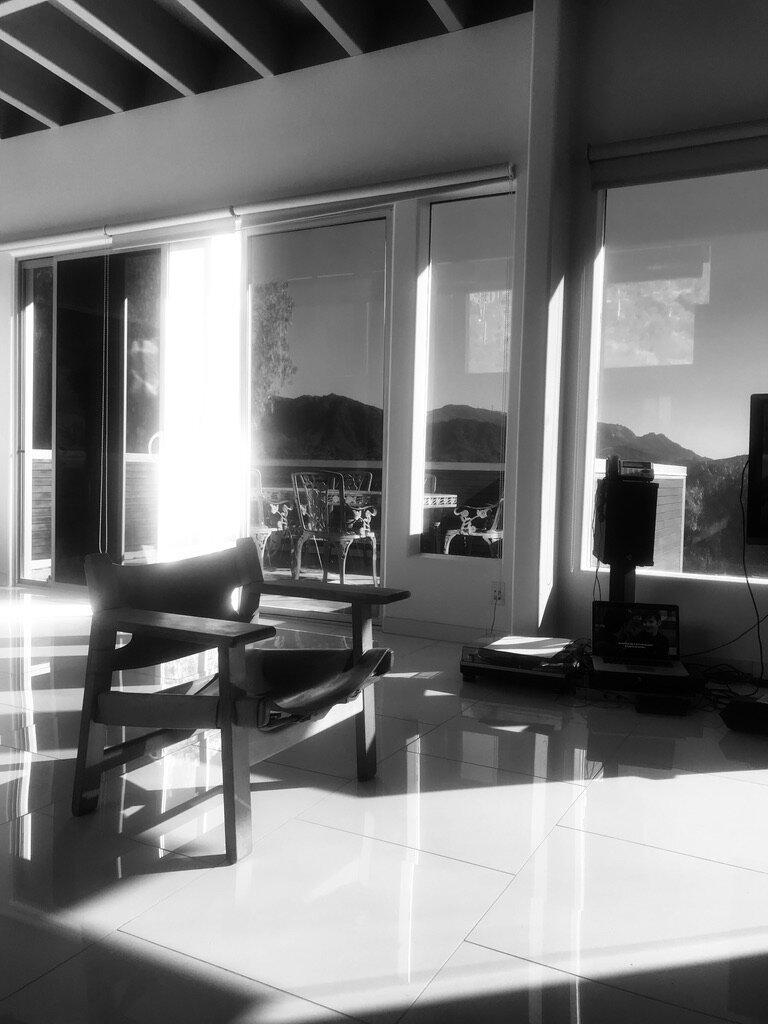
The studio is high-tech, minimalist, and deliberately surrounded by nature. This was not an accident. Nature is now appreciated.
A short walk away is 24/7 Sound, where many of these projects have been taken apart and rebuilt again in Dolby Atmos, day and night, as required.